
International Children’s Book Day: 7 Simple Ways to Incorporate Children’s Books into Homeschooling
Affiliate Disclosure: This post contains affiliate links. As an Amazon Associate, I earn from qualifying purchases. I may also earn a small commission from other affiliate links, at no extra cost to you. Thank you for supporting this blog!

Every year on April 2nd, we celebrate International Children’s Book Day—a global event dedicated to honoring the magic and impact of children’s literature. This special day highlights how stories ignite young imaginations, foster creativity, and teach valuable lessons that shape growing minds. It’s the perfect opportunity for families to embrace the joy of reading by exploring timeless classics or discovering new favorites, creating shared experiences that leave lasting impressions. Whether you’re a parent, educator, or book lover, International Children’s Book Day serves as a reminder of the transformative power of children’s books in nurturing curiosity, empathy, and learning.
How to Incorporate Children’s Books into Homeschooling
Incorporating children’s books into homeschool routines is one of the most joyful and effective ways to spark curiosity and deepen learning. Whether you’re exploring classic tales or discovering new favorites, literature invites children to think critically, build empathy, and connect with the world around them. Here are some ways families can incorporate children’s books into their homeschool routine:
- Thematic Learning
- Pair books with activities that match themes. For example, after reading “The Very Hungry Caterpillar“, explore the lifecycle of a butterfly through crafts or outdoor observation.
- Storytelling and Writing Skills
- Encourage children to write an alternate ending or their own stories inspired by their favorite books. Discuss literary elements like plot, character development, and themes.
- Hands-on Creative Projects
- Bring books to life through arts and crafts projects. After reading “Where the Wild Things Are“, create masks or puppets of the Wild Things and re-enact the story.
- Cultural Exploration
- Select books from different cultures and discuss the customs, traditions, and history represented in the stories. For example, read folktales from around the world.
- Literature as History
- Use historical fiction like “The Sign of the Beaver” to introduce historical periods and complement history lessons.
- Science Through Stories
- Series like “Magic School Bus“, which blend fiction with science, can be springboards for experiments and activities.
- Family Book Clubs
- Turn reading into a family experience. Pick a book, discuss themes, and relate them to everyday life.
International Children’s Book Day is more than just a celebration of the joy of reading—it’s a powerful reminder of how books can become an essential tool in education, especially for families who homeschool. Children’s literature offers endless possibilities for sparking curiosity, fostering creativity, and building foundational knowledge. Whether you’re using “The Very Hungry Caterpillar” to teach life cycles, exploring history through “The Sign of the Beaver”, or encouraging imagination with “Where the Wild Things Are“, incorporating stories into lessons makes learning engaging and memorable. So, grab a beloved classic or discover something new, and let the adventures begin!
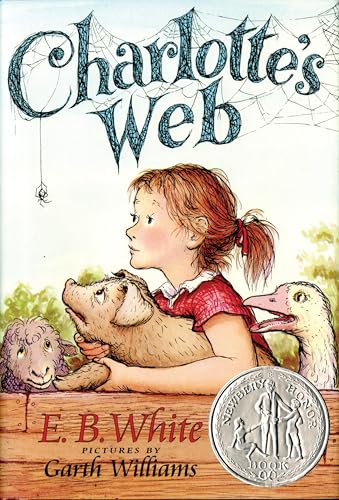
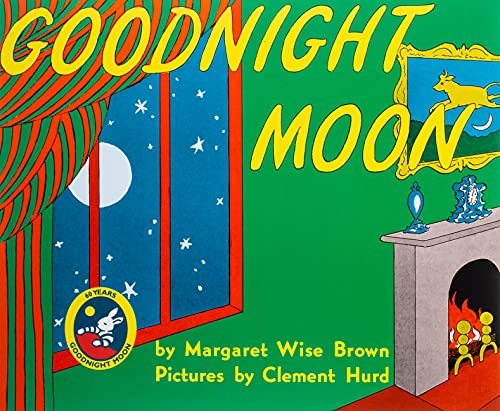


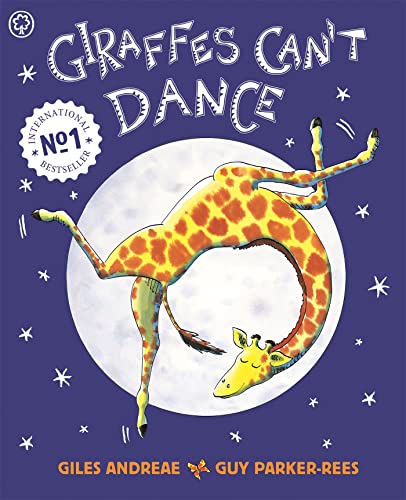

What are some of your family’s favorite children’s books? Share your thoughts and suggestions as we celebrate the gift of storytelling! 📚✨