
Watermelon Activities: Simple Summer Fun for Kids
Affiliate Disclosure: This post contains affiliate links. As an Amazon Associate, I earn from qualifying purchases. I may also earn a small commission from other affiliate links, at no extra cost to you. Thank you for supporting this blog!

August 3rd is National Watermelon Day—a perfect reason to dive into some juicy, hands-on learning! Whether you’re a homeschool family, planning a summer theme day, or just looking for creative ways to keep kids engaged, this post is bursting with watermelon activities for all ages. From colorful crafts and tasty treats to simple math games and fizzy science experiments, you’ll find playful ideas that make learning feel like summer fun. Grab a slice and get ready to explore!
History, Fun Facts & Watermelon Wonders
A Slice of History
Watermelons have a rich history, originating in Africa over 5,000 years ago. Evidence suggests watermelons were cultivated in Egypt as early as 2000 BC. From Africa, watermelons spread to other parts of the world, including Asia and Europe. They eventually made their way to the Americas with European colonists.
Fun Facts
- Watermelons are about 92% water. No wonder they’re so refreshing!
- Is it a fruit? Is it a vegetable? Watermelons are technically a fruit and a vegetable. They belong to the same family as cucumbers, squash, and pumpkins.
- The world’s heaviest watermelon weighed over 300 pounds!
- All parts of the watermelon are edible (including the rind and seeds!)
Watermelon Wonders
In addition to being a refreshing treat, watermelons are packed with nutrients! They’re a good source of vitamins A and C, as well as antioxidants.
Did you know there are over 1,200 varieties grown in 96 countries worldwide? From the familiar picnic red to yellow and orange varieties, the watermelon is anything but boring!
Watermelsons grow on a vine, and take bout 90 days to mature from planting. A ripe watermelon will sound hollow when you tap it and the underside should be yellowish in color.
Read, Watch, Discover!
Read
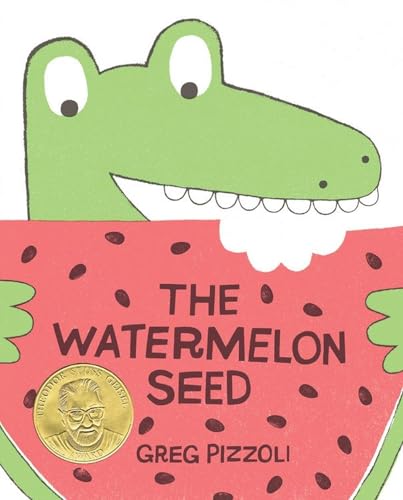
- The Watermelon Seed by Greg Pizzoli — A hilarious read-aloud for younger kids about a crocodile with a BIG watermelon fear!
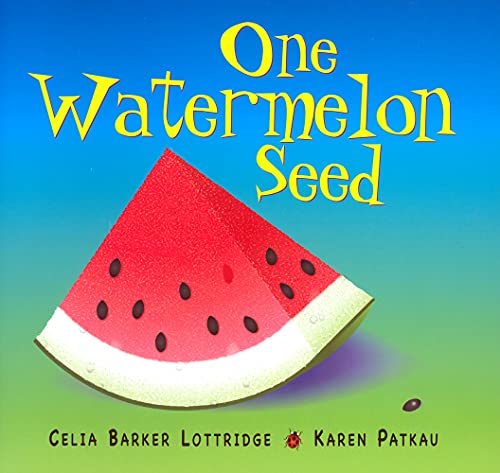
- One Watermelon Seed by Celia Barker Lottridge — Combines gardening, counting, and teamwork.
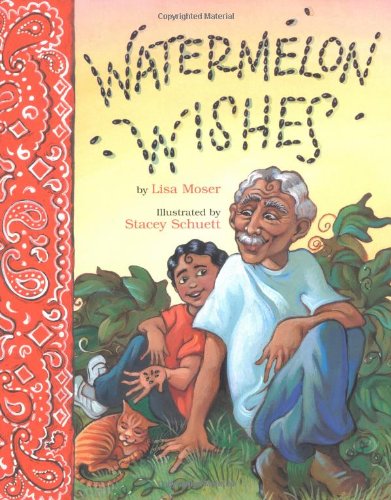
- Watermelon Wishes by Lisa Moser — A summer tale of planning, guessing, and wishing between a boy and his Grandpap.
Watch
Discover
- Slice open a watermelon together and explore the insides. How many seeds can you count? What does it smell and feel like? Measure how much juice you can extract from one slice!
- Try a watermelon taste test: red vs yellow vs seedless. Which one do you like best?
- Ready to rethink watermelon? Check out watermelon.org’s recipe collection for some fresh, unexpected ways to enjoy summer’s juiciest fruit.
Hands-On Watermelon Activities for Kids
- Melon Math: Slice watermelon into halves, quarters, and eighths to explore fractions. Count seeds and graph the results to practice data collection and visual representation. You can even weigh slices to compare mass and volume.
- Watermelon Volcano: Hollow out a small watermelon and add baking soda, dish soap, and red food coloring. Pour in vinegar and watch it erupt! This classic acid-base reaction produces carbon dioxide gas, creating fizzy “lava”. Great for exploring chemical reactions, states of matter, and sensory play.
- Think Like a Poet: Build vocabulary and express ideas by crafting acrostic poems where each letter of WATERMELON kicks off a word or phrase. Everyone can write their own, or make it a collaborative activity where each person takes turns writing a line for a letter.
- Watermelon Sculptures: Explore design, engineering, and creativity by building watermelon sculptures using toothpicks and cut pieces of watermelon.
- Watermelon Painting: Unleash your inner artist using watermelon slices as juicy paint stamps! Cut slices into circles, triangles, or hearts, dip them into washable paint, and press onto paper to explore patterns, symmetry, and texture.
Amazon Resource Round-Up
Straight from my Amazon cart to yours! This round-up features some of our favorite Amazon finds: