celebrate & Learn
Feline Fun: Educational Cat Activities for Kids
Explorer’s Log
Today’s expedition leads us on a whiskered adventure to uncover the secret lives, clever instincts, and purr-fect mysteries of our feline friends.
Date:
August 8
Destination:
International Cat Day
How do whiskers help cats “see” in the dark?
Why do cats always seem to land on their feet?
How do cats use body language to ‘talk’ to us?
What roles have cats played in human history and folklore?
Affiliate Disclosure: This post contains affiliate links. As an Amazon Associate, I earn from qualifying purchases. I may also earn a small commission from other affiliate links, at no extra cost to you. Thank you for supporting this blog!
August 8 is International Cat Day—a purr-fect excuse to pause your regular homeschool routine and dive into engaging cat activities! Whether your child is a cat lover or just curious about the animal kingdom, this themed day offers endless ways to explore science, math, reading, and creative play. We’ll show you how to build a memorable cat unit study packed with hands-on learning, games, and discovery.
History & Fun Facts
International Cat Day was created in 2002 by the International Fund for Animal Welfare to promote cat welfare and celebrate our furry companions.
Did you know…
- Cats can rotate their ears up to 180 degrees to pinpoint sounds.
- A cat’s whiskers are so sensitive that they can detect tiny changes in their surroundings.
- Adult cats spend about 70% of their time sleeping.
- The Maine Coon is one of the largest domestic cat breeds.
- A group of kittens is called a kindle, and adult cats form a clowder.
- Ancient Egyptians worshiped cats and even mummified them for the afterlife.
- Cats have five toes on their front paws, but only four on the back.




Read, Watch, Discover
Read
National Geographic Kids: Cats vs Dogs by Elizabeth Carney
This nonfiction favorite invites kids to explore the age-old rivalry between two beloved pets. With vivid photos, fun facts, and side-by-side comparisons, it’s perfect for sparking discussions around animal traits, habitats, and behaviors.
Try This: Use it to launch a Venn diagram activity comparing cats and dogs, or write persuasive essays on “Which pet is better?”
There are Cats in this Book by Viviane Schwarz
This interactive picture book is a joyful romp through pages filled with playful cats, flaps to lift, and surprises to discover. It’s ideal for younger learners and encourages imagination, prediction, and expressive reading.
Try This: Have students write their own “There Are ___ in This Book” stories, or create paper flaps with hidden cat facts underneath.
How to Speak Cat by Aline Alexander Newman
A must-have for budding animal behaviorists, this book decodes feline body language with engaging visuals and real-life examples. Kids learn how to interpret tail flicks, ear positions, and vocalizations — turning everyday observations into science!
Try This: Keep a “Cat Communication Journal” where students record and interpret their own cat’s behavior (or videos of cats online). Pair it with a mini research project on animal communication.
Warriors series by Erin Hunter
This epic fantasy series follows clans of wild cats as they navigate loyalty, survival, and destiny in the forest. With rich world-building and complex characters, Warriors captivates middle-grade readers and invites deep literary exploration.
Try This: Use it to discuss themes like leadership, community, and conflict resolution. Create character maps, clan charts, or write alternate endings.
Watch
Why Do Cats Purr by Sci Show
This engaging episode dives into the mystery of purring: why cats do it, how it works, and what it might mean. It introduces concepts like self-healing vibrations and emotional communication in a way that’s accessible and fascinating for young learners.
Try This: Use it to launch a mini-research project on animal communication or create a “Cat Fact Flipbook” with illustrated science tidbits.
The Secret Life of Cats (Nature Documentary) by The Animal Portal
This PBS-style documentary explores how cats evolved, how they interact with humans, and what their behaviors reveal about their instincts. It’s rich in visuals and scientific insight.
Try This: Use it to spark discussions on domestication, predator-prey relationships, or animal adaptation. Pair with a writing prompt: “What would your cat do if it lived in the wild?”
Cats by Kids Academy
This short, engaging video introduces young learners to the world of cats—how they behave, why they make great companions, and fun facts about their habits.
Try This: Create a pet care chart or cat fact booklet.
Discover
Explore famous cat breeds and their countries of origin – like the Siamese from Thailand or the Chartreux from France. Use the information to create a “Cat Passport” booklet with fun facts and breed traits.
Research wild cats vs. domestic cats – compare their anatomy (size, claws, teeth, agility), habitats, and behaviors (hunting instincts, social behavior, communication).
Investigate careers that involve cats, such as a veterinary technician, zoologist, or animal shelter director. Create a “Career Spotlight” poster or conduct an interview with someone in the profession.
Hands-On Learning
Make Cat Masks for Role-Playing or Storytelling
Break out the paper plates, construction paper, and yarn—it’s time to craft some whiskered masterpieces! Kids can design their own cat masks using real breeds or fantasy creations, then use them for dramatic play, storytelling, or a mini “cat parade.”
Extension: Pair with a writing prompt like “A Day in the Life of My Cat Character” or act out scenes from a favorite feline-themed book.
Create a Cat Care Budget
Give learners a pretend monthly allowance and have them “adopt” a cat. They’ll research costs for food, toys, vet visits, and grooming, then build a budget using a printable template or spreadsheet.
Extension: Turn it into a math challenge—can they care for two cats on the same budget?
Role-Play as a Vet Tech
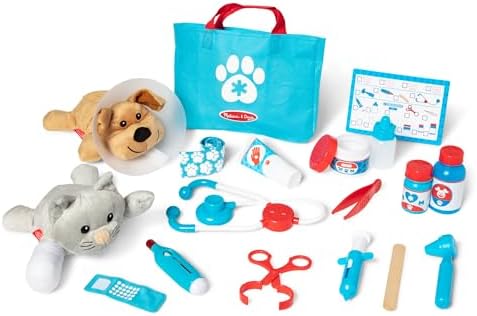
Set up a pretend veterinary clinic with stuffed animals, clipboards, and DIY patient charts. Learners can diagnose imaginary conditions, practice empathy, and explore real-world careers.
Extension: Add science by researching common cat illnesses and treatments, or write a “day in the life” journal entry from the vet’s perspective.
Design a Fantasy Cat Breed
Let imaginations run wild! Students invent their own cat breed, complete with name, habitat, personality traits, and physical adaptations. They can draw it, write a description, and even create a “breed registry card.”
Extension: Host a “Cat Expo” where learners present their breeds to the family or co-op group.
Bonus Science Experiment: “Why Do Cats Have Whiskers?”
Explore how whiskers help cats navigate and sense their environment.
Amazon Resource Round-Up
Straight from my Amazon cart to yours! This round-up features some of our favorite Amazon finds: