
Pizza Activities Kids Will Love
Affiliate Disclosure: This post contains affiliate links. As an Amazon Associate, I earn from qualifying purchases. I may also earn a small commission from other affiliate links, at no extra cost to you. Thank you for supporting this blog!
September 5 is National Cheese Pizza Day—a perfect excuse to turn everyone’s favorite dinner into a full day of learning! From history to hands-on STEM, pizza opens the door to math, science, culture, and even literacy. Below you’ll find a ready-to-go list of pizza activities for your homeschool.
History & Fun Facts
Read, Watch, Discover
Read
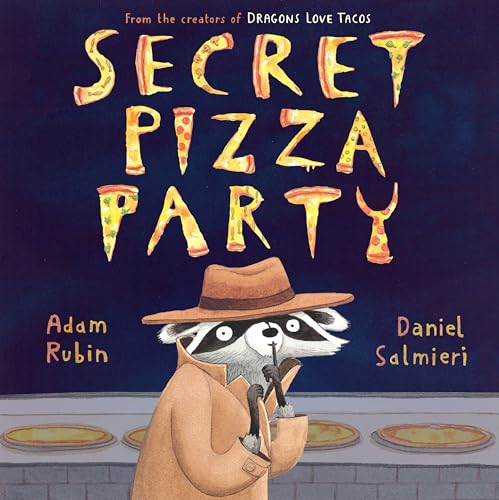
Secret Pizza Party by Adam Rubin
This hilarious story follows a pizza-obsessed raccoon who must sneak around to enjoy his favorite food without getting caught.
Pizza!: An Interactive Recipe Book by Lotta Nieminen
This hands-on book lets kids lift flaps, turn wheels, and follow steps to ‘make’ a pizza.
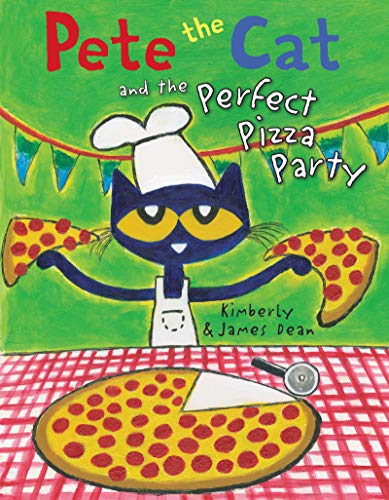
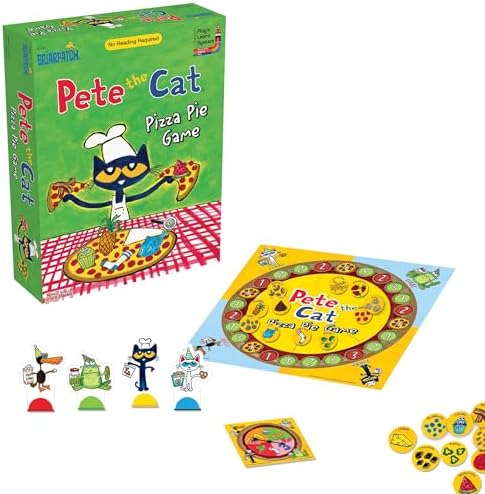
Pete the Cat and the Perfect Pizza Party by Kimberly & James Dean
Pete’s planning a pizza party, but instead of plain old pepperoni, his friends suggest wild and wacky toppings – like pickles and popcorn!
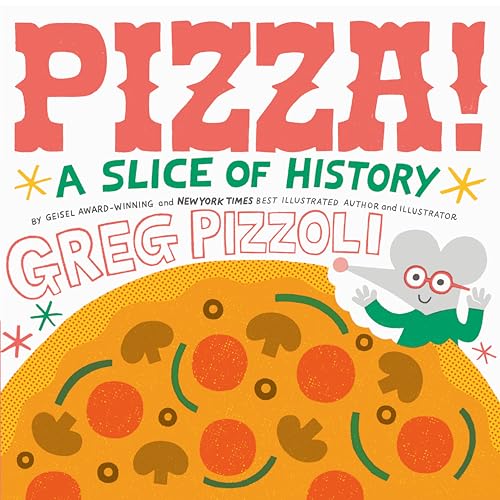
Pizza! A Slice of History by Greg Pizzoli
This nonfiction picture book takes readers on a journey through the history of pizza – from ancient flatbreads to modern delivery.
Watch
Peekaboo Kidz “Who Invented Pizza?”
Highlights Kids “Ever Wonder? Learn How Pizza is Made“
Discover
- Explore unique pizza toppings from around the world (e.g., corn in Japan, tuna in Germany) and create a ‘pizza visual’ to display your findings. Each slice of the pizza represents a different country.
- Locate Naples, Italy on a map and trace the journey of pizza to the United States. Create a map or timeline to show how pizza emerged as a street food in Naples and traveled across the Atlantic with Italian immigrants. Include key stops/influences such as the first pizzeria in the U.S. and the post-WWII boom as American soldiers returned from Italy, craving pizza.
Hands-On Learning
Pizza Fractions: A Tasty Math Lesson
Use a paper plate or a real pizza to model fractions. Cut it into halves (2 slices), quarters (4 slices), and eighths (8 slices). Use colored markers or toppings to visually represent eaten vs. remaining slices. Ask questions like “If you eat 2 out of 8 slices, what fraction of the pizza remains?”
Extension: Use multiple pizzas to introduce equivalent fractions. For example, compare 2/4 of a pizza cut into 4 slices with 4/8 of a pizza cut into 8 slices.
Design a Pizza Menu: Literacy Meets Imagination
Have your child come up with a name and logo for their pizzeria. Then design a menu. Practice spelling (using descriptive adjectives like “crispy” or “melty”), math (assign realistic prices to each item), and creativity (invent wild pizzas like “Under-the-Sea Supreme”).
Extension: Role-play as chef and customer. Take orders, write receipts, calculate totals, and “serve” the pizzas.
Kitchen Chemistry: Yeast in Action
Mix 1 packet of yeast, 1 cup of warm water, and 1 tsp of sugar in a clear container. Observe for 10-15 minutes as bubbles form. Discuss how yeast is a living organism that feeds on sugar and releases carbon dioxide (which makes the dough rise). Compare results using cold water vs warm water.
Extension: Make a simple dough and watch it rise over time. Chart the growth and graph the results.
STEM Engineering Challenge: Pizza Box Tower
Using pizza boxes or cardboard squares, build the tallest freestanding pizza box tower without using tape or glue (or limit the materials for younger children, while still encouraging problem-solving). The tower must stand for 10 seconds without support.
Cultural Pizza Note: A Global Culinary Tour
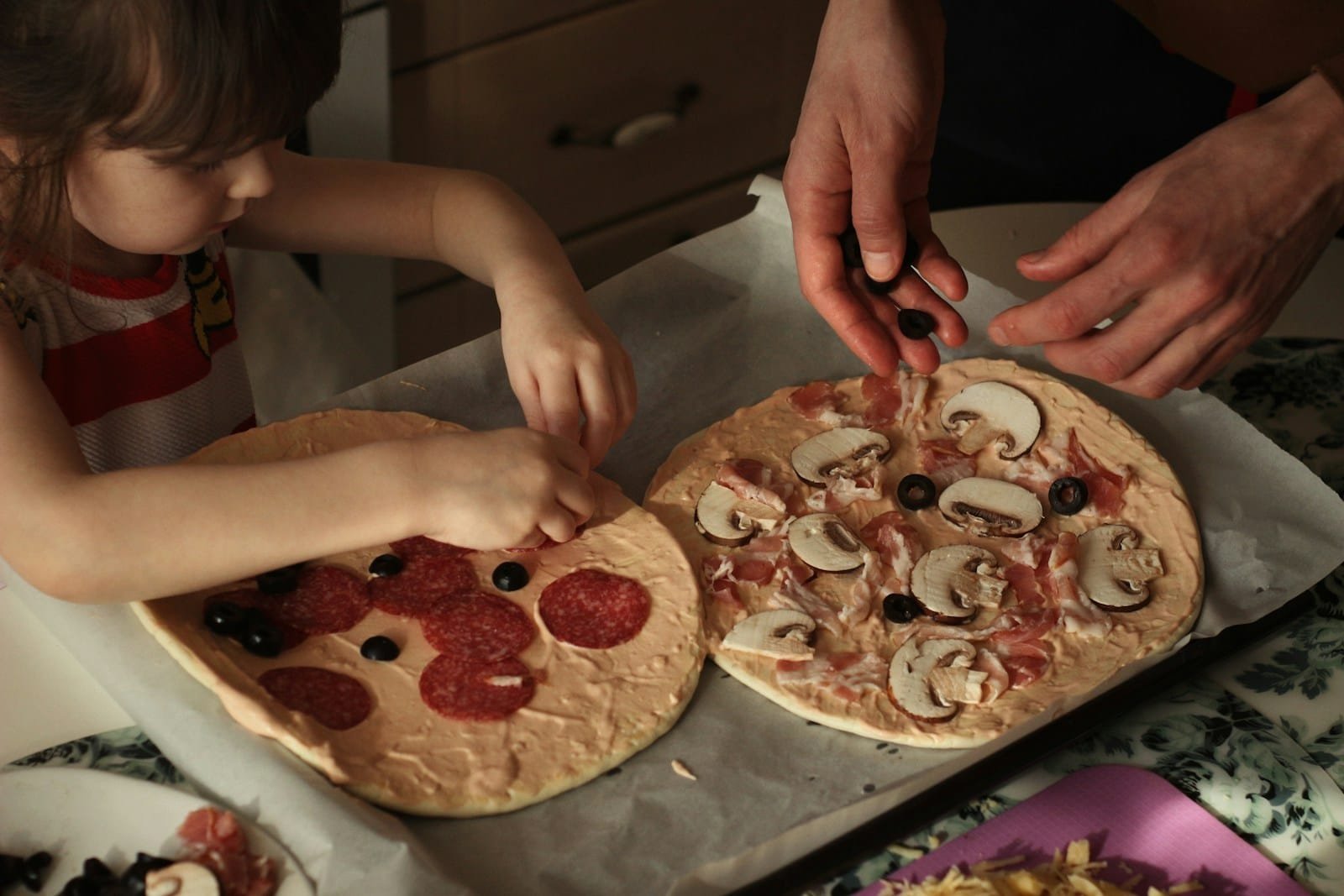
Make pizzas using popular toppings from different countries. Discuss why certain toppings are popular in each country and how food reflects culture, geography, and tradition. Play music from each country or decorate the table with flags from the different countries.
Extension: Create a “passport” where kids stamp each country they taste.
Amazon Resource-Roundup
Straight from my Amazon cart to yours! This round-up features some of our favorite Amazon finds: