
Explore America’s National Parks Without Leaving Home
Affiliate Disclosure: This post contains affiliate links. As an Amazon Associate, I earn from qualifying purchases. I may also earn a small commission from other affiliate links, at no extra cost to you. Thank you for supporting this blog!
You don’t have to visit a national park to have a national park adventure. That’s right. You can bring the national parks right into your living room.
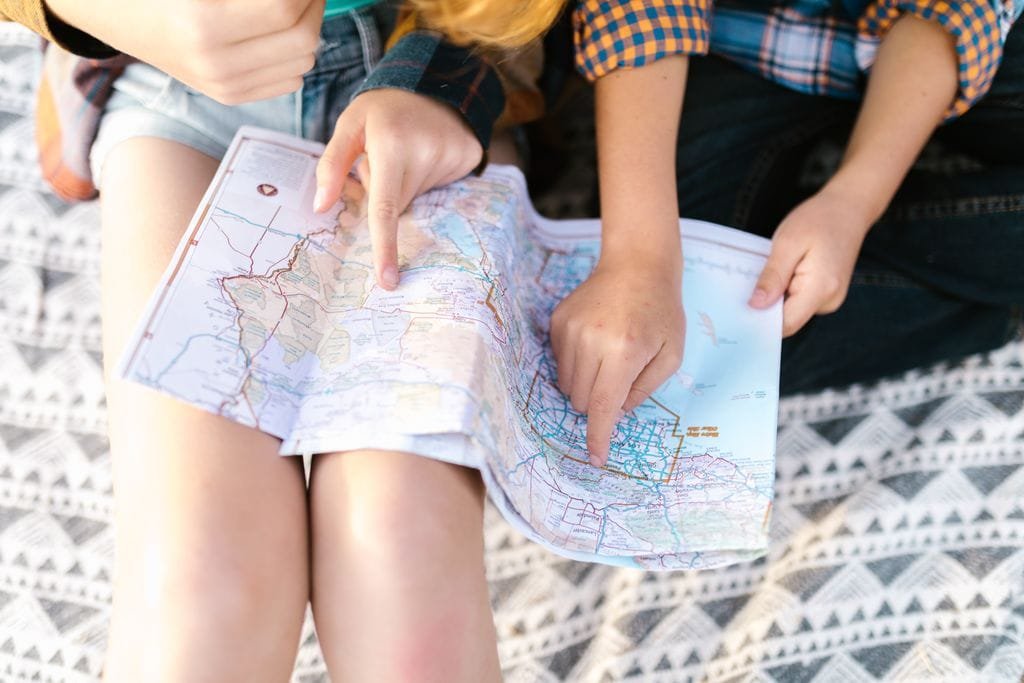
So pick a park. Find it on a map. We’re going on an adventure!
(Not literally, of course.)
With a simple map, a few good resources, and a little imagination, you can spend a whole day exploring a national park without ever leaving town.
Let’s plan your National Park Day at Home!
Morning: Choose Your Park
Every adventure needs a destination. You can choose a park at random, or you can pick one that you’ve always wanted to visit.
Once you’ve selected your park, find it on a map.
What state is it in?
How far is it from your home?
What route would you take to get there?
What other landmarks or cities are nearby?
For older kids, turn your imaginary trip into a little geography challenge. Calculate the distance, estimate driving time, or figure out which states you’d cross along the way.
No worksheet necessary. Just follow the map and see where the questions lead.


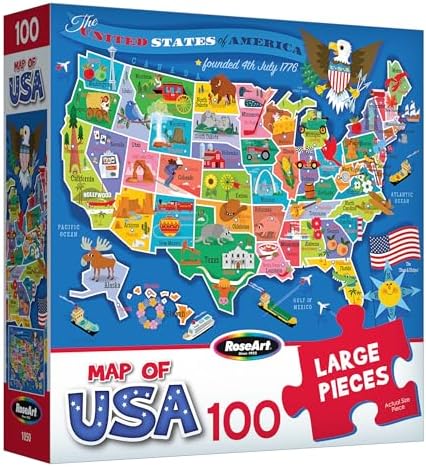
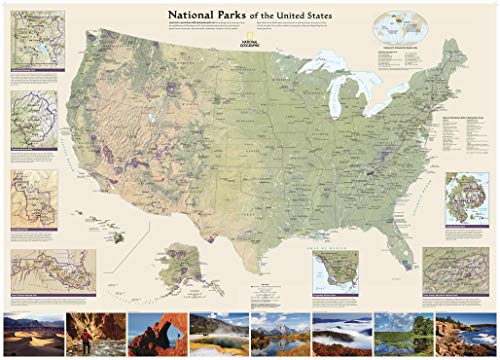
Bonus Challenge
Pick a second national park and compare the two locations. Which one is farther from home? Which one is closer to an ocean? Which one is closer to the mountains? Which one would you choose for your imaginary road trip?
Now that you’ve got a destination, it’s time to go!
Mid-Morning: Look Around
You’ve arrived!
Well….sort of.
It’s time to see what your park actually looks like. Find a documentary, virtual tour, or short video about the park and spend some time exploring from your couch.
Look closely. What do you notice? Maybe there are towering mountains. A desert landscape. A rushing river. Geysers. Gigantic trees. Wildlife you’ve never seen in person.
Pause the video every so often and ask: What did you notice?
Before Lunch: Read Your Way Around the Park
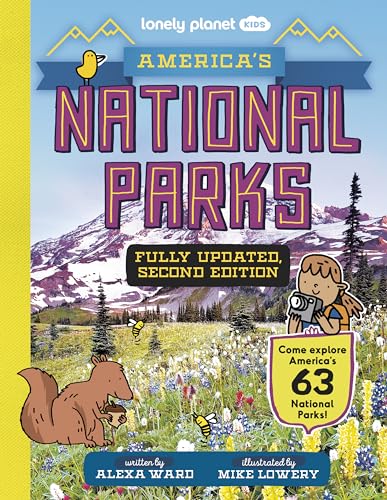
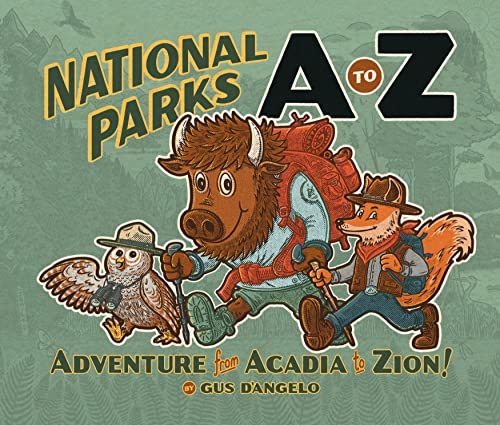
Now that you’ve had a chance to see the park, find a book (or multiple books!) to learn more about it.
You might choose a picture book, a national parks guide, a wildlife book, or a story connected to the landscape.
Read together and pay attention to the questions that pop up. Maybe your child wants to know how a canyon formed, or they’re fascinated with a particular animal. Perhaps they’re wondering why the trees look different from the ones in your backyard. You don’t have to answer every question immediately, but be sure to write them down!
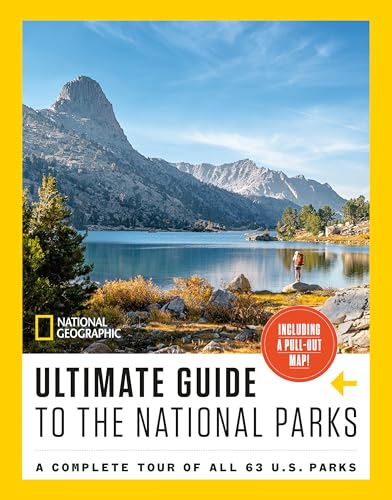
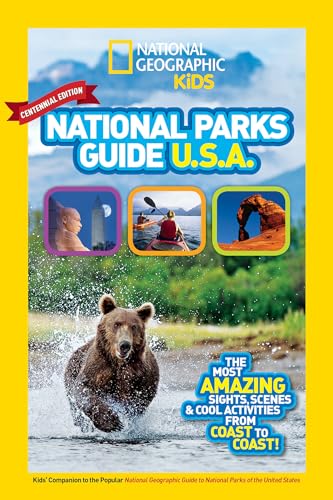
Lunch: Take a Break at the “Campsite”
All that exploring is hard work! Time for lunch.
If you’re feeling ambitious, you could pack an actual picnic and eat outside. Or spread a blanket on the living room floor. Or you could simply call your regular Tuesday lunch a “trail lunch” and move on. The point isn’t the food, it’s the pause. Talk about what you’ve discovered so far.
What surprised you?
What would you want to see if you were really there?
What are you still wondering about?
Then, when everyone is sufficiently fueled…back to exploring.
Afternoon: Become a Junior Ranger
Now it’s time to do something with what you’ve learned.
Many national parks have a Junior Ranger program with activity booklets that introduce kids to the park’s history, wildlife, geology, conservation, and more.
The best part? You don’t necessarily have to be standing inside the park to participate. The National Park Service offer Junior Ranger resources and activities that families can explore from home. So choose a booklet and work through a few of the activities together.
You might solve puzzles, learn about wildlife, investigate the park’s history, or discover ways to help protect national spaces. But don’t feel like you have to finish every page. Choose the activities that spark something. Follow the questions and take the rabbit trails. That’s where the good stuff usually happens.
Late Afternoon: Explore Where You Are
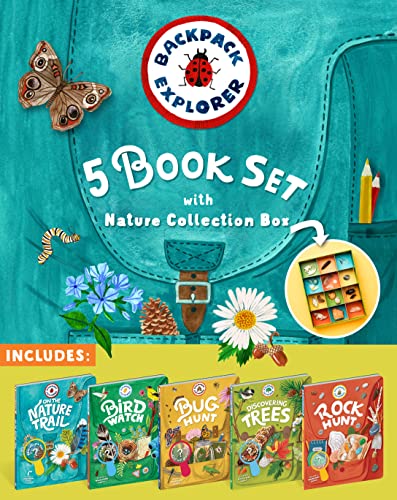
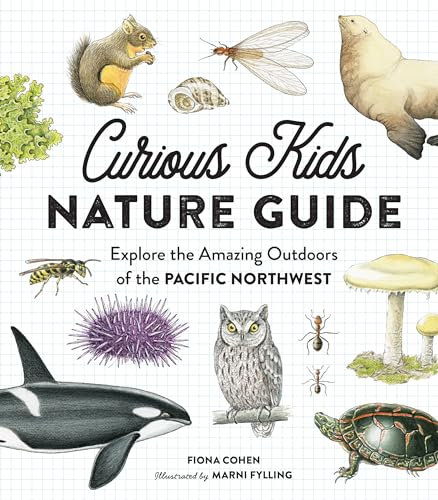
Your national park adventure doesn’t have to stay indoors. Grab a field guide and head outside. Your backyard, local park, or a nearby trail can become your own little field station.
Look for birds. Examine a tree. Identify a wildflower. Look for insects. Notice rocks, leaves, tracks, or anything else that catches your attention.
Give your kids one simple mission: Find something you’ve never noticed before.
Then, investigate it!

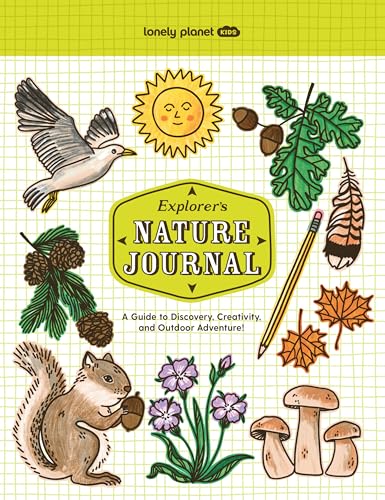
Keep an Explorer’s Journal
Give everyone a notebook or sketchbook and record a few discoveries from the day.
You might include:
Date
Location
Weather
What I noticed
Questions I have:
Sketch
Don’t worry about beautiful drawings or perfect handwriting. The goal is to slow down and pay attention.
End the Day: Look Back at Your Adventure
Before your National Park Day at Home comes to an end, take a few minutes to reflect on your day.
What was the most interesting thing you learned?
What surprised you?
Would you like to visit this park in person?
What would you want to see in person?
What question(s) are you still wondering about?
Your child might draw their favorite discovery, add the park to your family’s travel bucket list, or immediately ask which park you’re exploring tomorrow!
You Don’t Have to Go Far
Maybe someday you’ll stand beneath the giant trees at Sequoia.
Maybe you’ll watch the sun rise over the Grand Canyon.
Maybe you’ll hike through Yellowstone.
Or maybe this year, your adventure happens at the kitchen table.
Either way, the important part isn’t how far you’ve traveled, it’s what you’ve noticed along the way.
A map can lead to a question.
A book can lead to a rabbit trail.
A Junior Ranger booklet can lead outside.
And a walk around your own neighborhood can reveal an entire world you didn’t notice yesterday.
That’s the beauty of national parks at home. You don’t have to go far to start exploring.
Sometimes, all you need is a map, a question, and a little curiosity.
Amazon Resource Round-Up
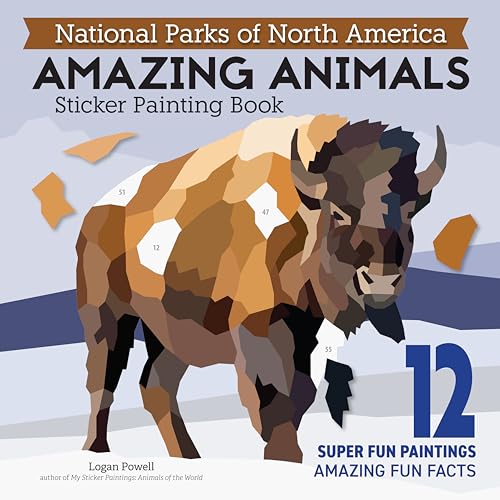
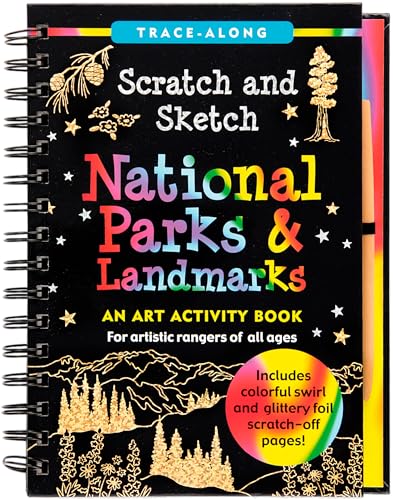
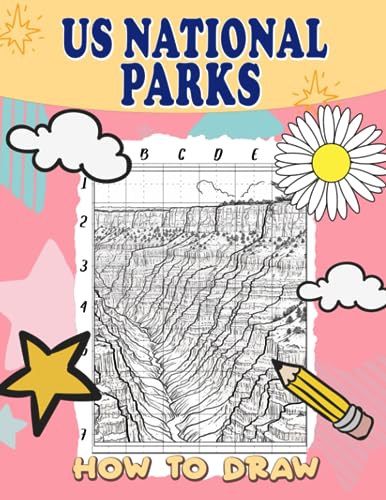
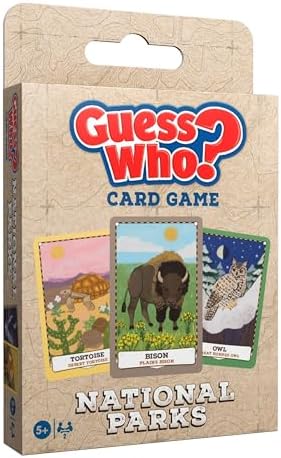
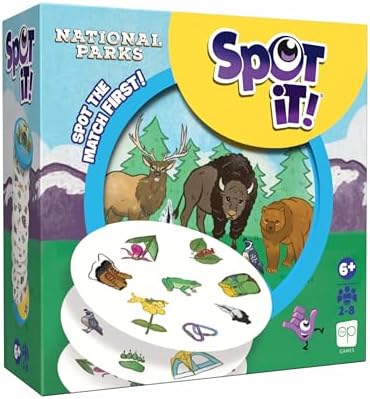
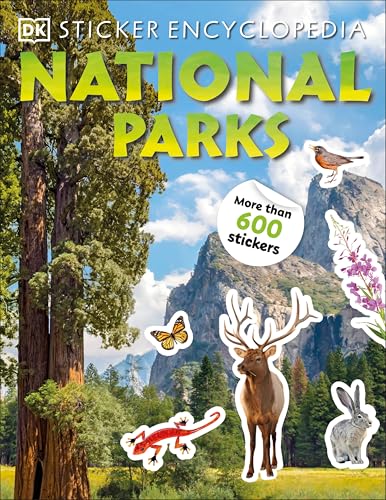
From our Amazon cart to yours, a collection of fun National Park resources!