celebrate & Learn
Lighthouse Activities for Kids: Celebrate National Lighthouse Day
Explorer’s Log
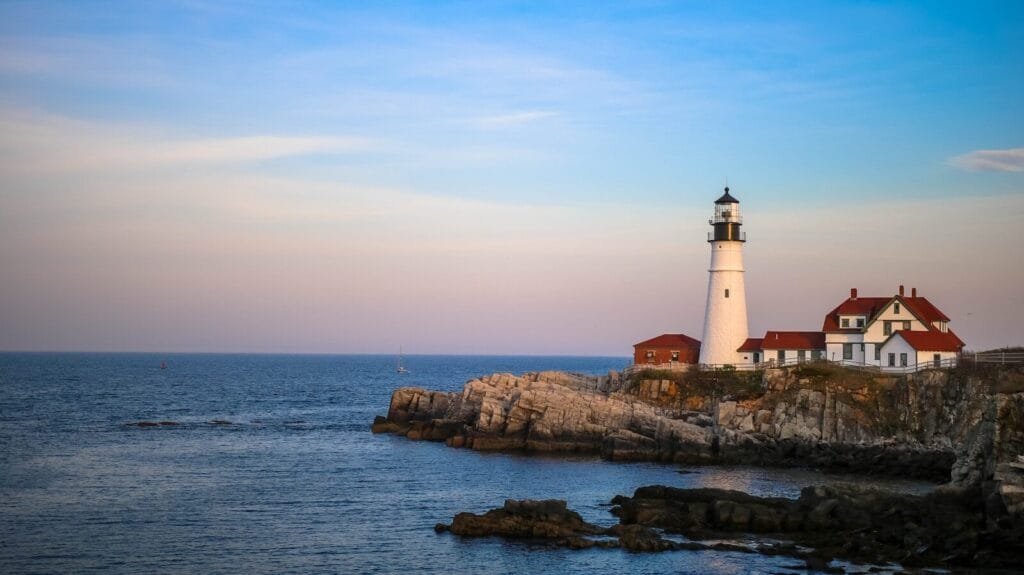
Today’s expedition takes us to the rocky shores where one light has helped sailors safely find their way home for generations.
Date:
August 7
Destination:
National Lighthouse Day
Why do lighthouse beams travel so far?
How did sailors navigate before GPS?
Who kept the lights on?
Why do lighthouses look different?
Affiliate Disclosure: This post contains affiliate links. As an Amazon Associate, I earn from qualifying purchases. I may also earn a small commission from other affiliate links, at no extra cost to you. Thank you for supporting this blog!
History & Fun Facts
Before GPS and modern navigation systems, towering lighthouses helped sailors safely navigate dangerous coastlines. National Lighthouse Day celebrates these remarkable structures and the people who kept their lights shining.
Sources AND further reading
NOAA Ocean Service – Do We Still Need Lighthouses?
National Park Service – History of Lighthouses in the United States
National Park Service – The Fresnel Lens
Read, Watch, Discover
Read
Books that spark curiosity and invite further exploration.
Hello Lighthouse by Sophie Blackall
A beautifully illustrated Caldecott Medal-winning picture book that follows the daily life of a lighthouse keeper and shows how the seasons and technology change over time.
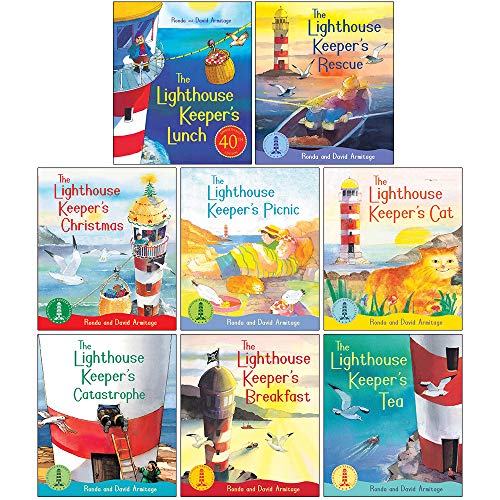
The Lighthouse Keeper’s Lunch by Ronda Armitage
A humorous story about a lighthouse keeper whose lunch keeps disappearing before it reaches him.
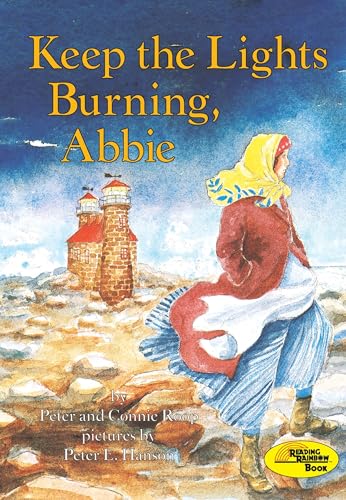
Keep the Lights Burning, Abbie by Connie Roop
Based on a true story, this picture book tells how a young girl bravely kept her family’s lighthouse operating during a dangerous storm.
Watch
Videos that bring today’s topic to life.
Want to dive deeper?
This fascinating documentary explores the history, engineering, and remarkable stories behind lighthouses around the world. It’s a great choice for older kids or a family movie night.
Discover
Simple ways to notice, explore, and keep asking questions.
- Search for pictures of several different lighthouses. What do you notice? Why do you think some have stripes but others are plain white? Which design would be easiest to recognize from far away?
- Even if you don’t live near the ocean, there may be a lighthouse closer than you think. Research the closest lighthouse to you. Learn one interesting fact about its history.
Explore Further
Lighthouse Engineering Challenge
Can you build a lighthouse that withstands nature’s elements?
- Building supplies such as LEGO bricks, cardboard tubes, plastic cups, wooden blocks, etc.
- A small flashlight or battery-operated tealight candle.
- An electric fan (or hair dryer on the cool setting)
- Optional: Painter’s tape or playdough for extra stability.
- Design & Build: Design a lighthouse structure that is tall (so ships can see it from far away) and stable (so storms won’t knock it down.)
- The Light Test: Place a flashlight or tealight at the very top. Does the lighthouse stay balanced?
- The Wind Storm Test: Turn on your fan or hair dryer and blow “storm winds” directly at the structure. Does it hold strong? Does it fall over?
Why do real lighthouses have wide bases?
A wide base lowers the center of gravity, making tall structures much harder for strong winds and waves to know down.
Map the Coast
Where do sailors need help navigating?
- A printed map of a jagged coastline
- Small items (pennies, rocks, stickers, etc.) to act as “lighthouses”
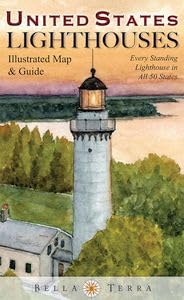
- A map of lighthouses on the coast, such as this one of the North Carolina coast
- Draw a fictional coastline featuring sharp rocks, narrow water channels, busy ports, and small islands.
- Looking at your map, where do you think lighthouses should go? Use small rocks, pennies, stickers, etc. to mark them on the map. Explain why you picked those spots.
- Compare: Pull up a real-world coastal map and see where actual lighthouses have been placed.
Lighthouses aren’t just placed randomly. They mark hidden hazards (like rocks or shallow sandbars) or serve as “traffic signals” to safely guide ships through narrow harbors.
Keeper for a Day
Step back in time to explore the solitude, responsibility, and daily routines of life on a light station in the 1800s.
- Aged paper (or paper stained with tea)
- Pens/pencils
- Optional: Historical primary sources about 19th-century lighthouse keepers
- Briefly explore historical keeper duties, such as trimming wicks, cleaning soot off lenses, carrying heavy buckets of oil up hundreds of stairs, etc.
- Step into the shoes of a keeper from 150 years ago and write a journal entry detailing a single day or a stormy night on duty.
- Include sensory details: What do they hear, see, and feel?
Before electricity and automated sensors, keeping the light burning was a relentless job. A single moment of neglect could lead to a shipwreck, making lighthouse keepers true unsung heroes in maritime history.
Amazon Resource Round-Up
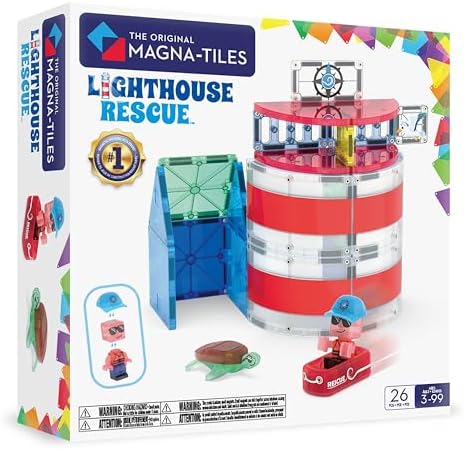
Straight from my Amazon cart to yours! This round-up features some of our favorite Amazon finds: